
Boxing
The Philly Shell in Boxing: Mastering Defensive Brilliance
the philly shell is a renowned defensive technique in boxing, often associated with the legendary floyd mayweather
Mar 8, 2024
Craig Timmins
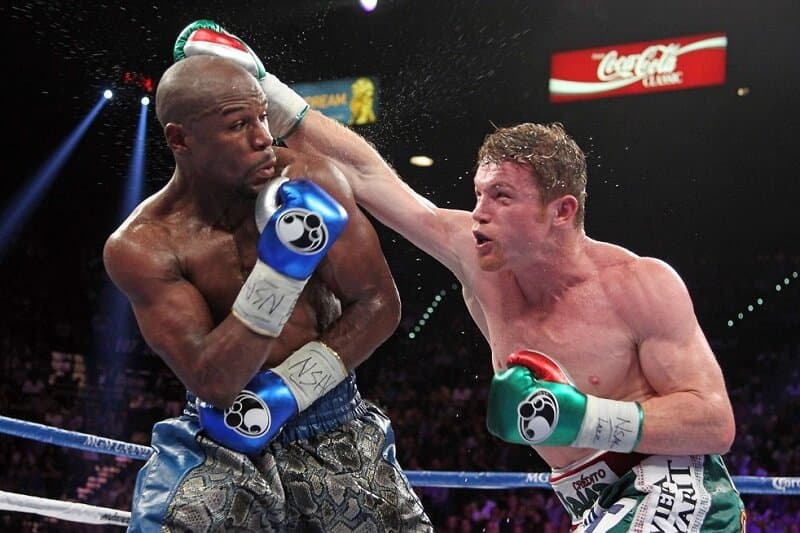
What is the Philly Shell in Boxing?
The Philly Shell is a renowned defensive technique in boxing, often associated with the legendary Floyd Mayweather. However, this defense style existed long before Mayweather perfected it. By adding his unique touch, Mayweather made the Philly Shell one of the most effective defensive strategies in boxing history.
Mayweather’s opponents struggled to land clean punches on him, with only a few, like Shane Mosley, managing to connect significantly. Notably, Mayweather was never knocked down throughout his career, highlighting the Philly Shell’s effectiveness.
Breaking Down the Philly Shell Defense Style
The Philly Shell defense, often confused with the shoulder roll, is not a fighting form but a defensive stance designed to minimize an opponent's attacks. Both styles share similarities, such as the positioning of the lead arm and shoulders.
Stance and Arm Positioning:
Stand in a boxing stance with your lead arm across your torso, between your belly button and chest, touching the opposite side.
Keep your rear hand next to your face to block or parry jabs and hooks.
Shoulder Positioning:
Raise your lead shoulder to the lower part of your face to block straight rights and hooks.
Lean slightly to your right if in an orthodox stance and to your left in a southpaw stance. This positioning forces your opponent’s right hands to travel further, giving you more time to block, evade, or counter while keeping your head off the center line.
The History of the Philly Shell: A Journey Through Time
The Early Days of Boxing
The roots of the Philly Shell can be traced back to the early days of boxing, long before it became a popular defensive style. Boxing, in its primitive form, was a brutal and unregulated sport. Fighters relied more on their natural instincts and physical prowess than on refined techniques. It was in this raw environment that the foundations of the Philly Shell began to take shape.
Take Your BJJ to the Next Level
Stop losing progress between sessions—keep your skills sharp with Kimura’s tools. Join the best BJJ community!



Philadelphia: The Cradle of the Philly Shell
Philadelphia, known for its rich boxing heritage, became the epicenter for this defensive style. In the smoky, dimly lit gyms of Philly, a unique breed of fighters emerged—gym warriors. These were boxers who excelled as amateurs but, for various reasons, never transitioned to professional careers. Despite this, their love for the sport kept them returning to the gym, where they sparred with professional fighters and honed their skills.
These gym warriors, often working regular jobs by day and training by night, needed a way to conserve energy while sparring. They developed the Philly Shell as a means to protect themselves efficiently without expending too much energy. This style allowed them to stand toe-to-toe with full-time boxers who had the luxury of dedicating their entire day to training.
The Philly Shell wasn't initially recognized as a standalone style. Instead, it was used as a temporary defensive posture to rest before resuming their usual stance. Over time, however, the effectiveness of this style became evident, and it started gaining recognition beyond the local gyms of Philadelphia.
George Benton: The Pioneer of the Philly Shell
One of the most notable figures to popularize the Philly Shell was George Benton. Born in Philadelphia, Benton was a master technician in the ring. His defensive prowess and ability to counterpunch with precision made him one of the top middleweights of his era during the 1950s and 1960s. Despite his talent, Benton never received a title shot, largely due to the politics of boxing at the time.
After retiring from boxing, Benton transitioned into a successful training career. He became a mentor to many fighters, most notably Pernell “Sweet Pea” Whitaker, whom he guided to world championships in four different weight classes. Benton's influence on the Philly Shell cannot be overstated; he refined and taught the style, ensuring its legacy in the sport.
The Evolution Continues: Floyd Mayweather Sr. and Jr.
The next significant chapter in the history of the Philly Shell involves the Mayweather family. Floyd Mayweather Sr., a former welterweight contender, adopted the Philly Shell after a gunshot wound to his leg limited his mobility. This defensive style allowed him to protect himself effectively while compensating for his reduced movement.
Mayweather Sr. passed down the Philly Shell to his son, Floyd Mayweather Jr. Under the tutelage of his father and uncle Roger Mayweather, Floyd Jr. incorporated the Philly Shell into his repertoire. However, it was his unique modifications and unparalleled execution that elevated the style to new heights.
James Toney: Another Master of the Art
Join 1000+ BJJ fans on my email list.
It's good, I swear.

James Toney, another exceptional boxer, also utilized the shoulder roll variation of the Philly Shell with great success. Toney's career spanned multiple weight classes, from middleweight to heavyweight, and he was never knocked out—a testament to his defensive skills. His ability to use the Philly Shell to slip punches and counter with devastating precision made him one of the most skilled defensive fighters of his time.
Using the Philly Shell Inside the Ring
Boxers like Bernard Hopkins have expertly used the Philly Shell to frustrate opponents and land sharp counters. Hopkins often shelled up against the ropes for a brief respite before launching his offense, contributing to his longevity and success in the sport.
Key Techniques:
Frustration and Counters: Using the Philly Shell to absorb punches and create countering opportunities.
Defensive Mobility: Leveraging the stance to move out of danger and keep opponents guessing.
Floyd Mayweather revolutionized the Philly Shell by incorporating subtle variations, making it even more effective.
Angles and Footwork: Mayweather uses his body to create angles, enhancing his defensive mobility and evading attacks.
Knee Flexibility: Unlike the traditional Philly Shell, where knees are kept straight, Mayweather keeps his knees bent for greater mobility.
Shoulder Usage: Mayweather uses his lead shoulder to catch and deflect jabs, often countering with a hard straight punch or uppercut.
Mayweather's adaptation, often termed the "Mayweather Shell," showcases his defensive brilliance, making him one of the most difficult fighters to hit.
The Philly Shell remains one of the most effective defensive styles in boxing, offering superior protection and countering opportunities. Its evolution through fighters like Floyd Mayweather and James Toney underscores its timeless relevance. Mastering the Philly Shell can elevate a boxer’s defensive game, making it an indispensable part of boxing strategy.
For more in-depth boxing techniques and insights, follow us on Facebook and stay updated with the latest from the world of boxing.
The ultimate BJJ companion app