
Brazilian Jiu-Jitsu
5 Ways to Maintain Effective Back Control in BJJ & MMA
the back mount is the most dominant position in grappling sports such as brazilian jiu-jitsu (bjj) and mixed martial arts (mma)
Jul 4, 2024
Craig Timmins
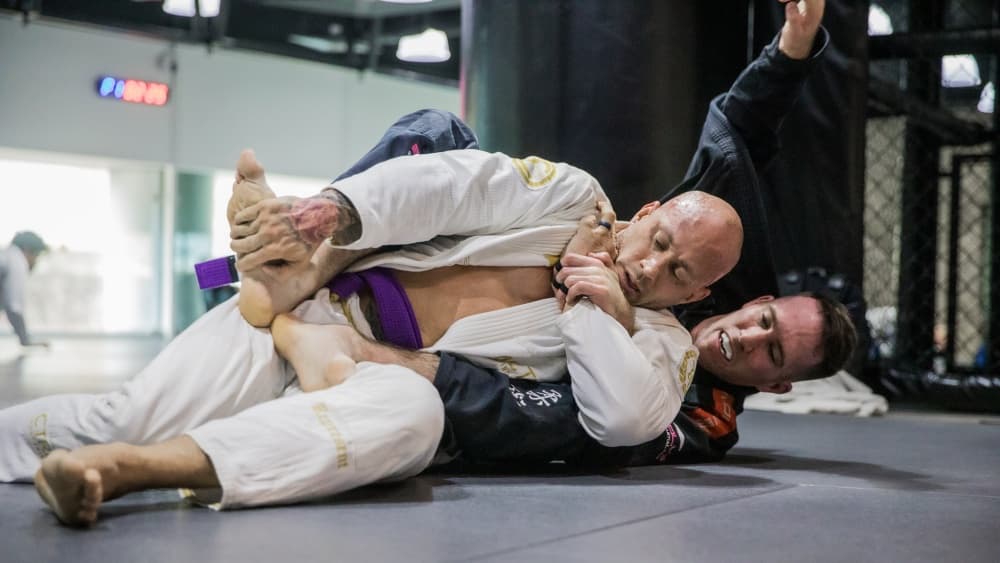
The back mount is the most dominant position in grappling sports such as Brazilian Jiu-Jitsu (BJJ) and mixed martial arts (MMA). It allows you to submit your opponents or deliver powerful strikes while keeping them constantly on the defensive. Getting to this advantageous position is one challenge, but maintaining it is another. Here, we’ll discuss five practical ways to maintain effective back control.
What Is Back Control?
In the context of BJJ and MMA, back control refers to the position where a grappler has taken their opponent's back and established control over their movements. According to the International Brazilian Jiu-Jitsu Federation (IBJJF) rulebook, this involves placing your heels between the opponent's thighs without crossing your legs, allowing you to trap at least one of their arms below the shoulder line. This control is essential for hunting for submissions or setting up strikes in MMA.
Why is back control so critical? It's all about having the upper hand. With your hooks in and your chest pressed against their back, you become the puppet master. Your opponent has very few ways to escape, and they're constantly worried about getting choked out. The magic of back control is that it lets you play both offense and defense at the same time.
In MMA, back control is a game-changer. You can rain down strikes while your opponent scrambles to defend, and you stay safe from their attacks. You can soften them up with punches and elbows, making it easier to sink in that fight-ending choke. It’s a position where you can chill, conserve energy, and methodically break down your opponent's will.
Back control is also a huge psychological win. Having your back taken is super demoralizing for your opponent. They know they're in deep trouble and that one wrong move could end the match. Mastering back control means you're always a threat, ready to finish the fight at any moment. So, whether you're rolling on the mats or fighting in the cage, perfecting back control is a surefire way to level up your game and score those epic victories.
1. Diagonal Control
Diagonal control is about maintaining control over your opponent’s body from one hip to the opposite shoulder. For instance, if you control their right hip with a hook, you must control their left arm. This creates a diagonal line of control, preventing your opponent from easily escaping or turning into you.
You can achieve diagonal control by using techniques like the cross-body ride. Insert one hook (controlling the opponent's right hip) and grasp their far wrist (left wrist). This setup makes it difficult for the opponent to roll towards the side where you have control. In an MMA context, you can strike with your free hand while maintaining this control, enhancing your offensive options.
2. Chest-to-Back Connection
Take Your BJJ to the Next Level
Stop losing progress between sessions—keep your skills sharp with Kimura’s tools. Join the best BJJ community!



Maintaining a chest-to-back connection is crucial for effective back control. This connection ensures that you stay glued to your opponent, preventing them from escaping. The conventional method involves using a seatbelt grip and hooks, but the primary focus should be on keeping your chest tight against their back.
Ensure your chin is locked beside the opponent's head, and keep your chest pressed against their back. When your opponent scrambles, you can follow their movements more effectively by staying connected. If needed, you can get up on your knees and adjust your position to retain control.
3. Dagestani Handcuff
The Dagestani handcuff is a powerful technique that originates from wrestling and has been seamlessly integrated into Brazilian Jiu-Jitsu (BJJ) and mixed martial arts (MMA). It involves controlling one side of your opponent’s hip while securing their far arm with a two-on-one grip or single hand. This control method is named after the wrestling powerhouse region of Dagestan, known for producing some of the most dominant grapplers in the world.
To apply the Dagestani handcuff, start by taking the back and securing your hooks. From there, focus on isolating one of your opponent’s arms. The goal is to trap their far arm (the arm furthest from you) and bring it behind their back. Use a two-on-one grip to secure this arm, holding it firmly with both of your hands or controlling it with one hand while the other is free to strike or control their movement.
This technique creates a diagonal control line, similar to the concept we discussed earlier. By controlling your opponent's far arm and opposite hip, you limit their ability to rotate and escape. The Dagestani handcuff is particularly effective because it immobilizes one of their primary defensive tools—the far arm—making it difficult for them to turn into you or re-guard.
In BJJ, the Dagestani handcuff provides several strategic advantages. It allows you to maintain a dominant position while keeping your opponent's defensive options limited. From this position, you can transition to various submissions, such as the rear-naked choke, armbar, or even an arm triangle choke. The control over the far arm makes it challenging for the opponent to defend against these attacks effectively.
4. Threat of a Choke
Join 1000+ BJJ fans on my email list.
It's good, I swear.

When defending a choke, both arms are crucial for maximizing escape chances. Let's define the terms: the primary hand is opposite your strangle arm (overhooking arm), and the secondary hand assists in controlling the opponent's strangle hand or defending against leg entanglements.
Clearing the opponent's primary hand from your strangle arm is essential for getting your hand up to their neck for a choke. Your goal is to move the strangle hand across their shoulder, while their goal is to push it down to the same side. The higher your strangling arm is to their opposite shoulder, the better for you. Hand positioning is critical: whoever controls the top hand usually wins the hand fight.
Maintaining a constant threat of choking keeps your opponent focused on defense, reducing their ability to escape. They must either misalign their body to yours to make the choke difficult or protect their neck, often leaving them vulnerable to your attacks. In MMA, this choke threat opens up striking opportunities, and vice versa, creating a dynamic offensive strategy.
5. Seatbelt Grip and Staying Tight
The seatbelt grip is a fundamental aspect of back control, popularized by grappling legends like Marcelo Garcia. It involves placing your choking hand over the opponent's shoulder and the other hand under their arm, mimicking a seatbelt.
Keeping your head close to your opponent’s and going ear-to-ear helps maintain tight control. Keep your knees snug around their body with active hooks. Prevent your opponent from lifting their hips or getting their head and shoulders to the mat. This tightness ensures they remain trapped and unable to escape your control.
Conclusion
Proficiency in maintaining back control requires dedication and practice. Incorporate these techniques into your training regimen to see which methods best complement your style. Predicting your opponent’s movements and keeping a constant threat of strikes or submissions are key strategies. Mastering these elements will enhance your ability to dominate and finish fights from the back mount.
For more insights into advanced grappling techniques and strategies, stay connected with our updates and continue evolving your game.
The ultimate BJJ companion app